
| Best Overall | Best Organic Value | Best Softgels | |
|---|---|---|---|
| Pick | Prime Natural Organic Black Seed Oil | Healths Harmony Organic Black Seed Oil | Nutricost Black Seed Oil Softgels |
| Why | USDA Organic Turkish oil with more than 1.5% thymoquinone on the label, a lab report on the listing and a glass bottle. | USDA Organic oil in a 16 oz bottle for about 18 cents per 2 g, the lowest cost in this guide. | 1 g of cold-pressed oil in two small softgels, with a third-party tested seal and no oily taste. |
| Cost per serving | $$ | $ | $$$ |
Quick answer: Of the black seed oils we compared, Prime Natural Organic Black Seed Oil is the best choice for most people: it is USDA Organic, the label states more than 1.5% thymoquinone, the listing shows a lab report, and 2 g costs about 38 cents. Healths Harmony Organic Black Seed Oil is the lowest-cost organic oil, and Nutricost Black Seed Oil Softgels are the pick if you cannot stand the taste.
Black seed oil is pressed from the seeds of Nigella sativa, a flowering plant also called black cumin or kalonji. It has been used in traditional medicine across the Middle East and South Asia for centuries. Its best-studied compound is thymoquinone (TQ), which makes up roughly 0.5% to 2% of most cold-pressed oils. Moringa is another plant with a long history of traditional use in South Asia; see our moringa supplements guide.
People take black seed oil for cholesterol, blood sugar, blood pressure, weight and inflammation. A 2025 review of 82 trials found small improvements in many of these markers, but most trials were small, lasted a few weeks, and gave very different results. Black seed oil is not a substitute for medicine.
The oil is sold as a liquid or in softgels. Liquid oil costs less per gram and lets you take the 1 to 3 g used in most trials in one teaspoon, but it has a strong, peppery, bitter taste. Softgels hide the taste but usually hold 500 to 1,000 mg each.
We compared eight black seed oils on dose, thymoquinone information, testing, sourcing, cost per 2 g and who sells the listing, plus recent FDA actions, using our how we test criteria. Every product here made our shortlist, and our ratings show how they rank against each other. Where two products scored the same or very close, we explain the order in their reviews.
None of the black seed oils we checked is listed by NSF or USP. If you are comparing herbal oils for seasonal support, see also our oil of oregano guide.
Our Top Picks
Best Overall: Prime Natural Organic Black Seed Oil – CHECK PRICE →
Best Organic Value: Healths Harmony Organic Black Seed Oil – CHECK PRICE →
Best Softgels: Nutricost Black Seed Oil Softgels – CHECK PRICE →
Mildest Taste: MAJU Black Seed Oil – CHECK PRICE →
Best Budget Softgels: Piping Rock Black Seed Oil – CHECK PRICE →
Comparison Table
| Rank | Product | Form | Oil per Serving | Thymoquinone on Label | Bottle | Cost per 2 g | Third-Party Testing | Best For |
|---|---|---|---|---|---|---|---|---|
| 1 | Prime Natural Organic | Liquid | About 5 g (1 tsp) | Over 1.5% | 4 oz glass | $$ | Lab report on listing | Best Overall |
| 2 | Healths Harmony Organic | Liquid | 4.6 g (1 tsp) | Not stated | 16 oz plastic | $ | Not stated | Best Organic Value |
| 3 | MAJU | Liquid | 5 g (1 tsp) | Not stated | 8 oz glass | $$ | Third-party tested seal | Mildest Taste |
| 4 | Nutricost Softgels | Softgels | 1 g (2 softgels) | Not stated | 120 softgels | $$$ | Third-party tested seal | Best Softgels |
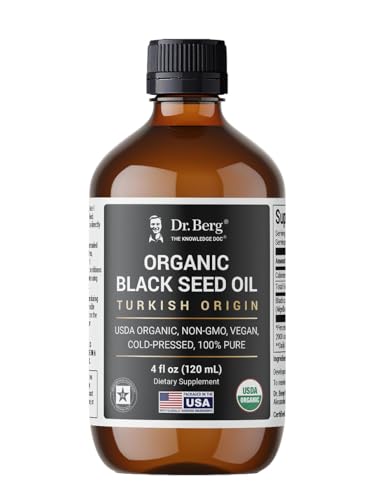
| 5 | Dr. Berg Organic | Liquid | 4.5 g (1 tsp) | Not stated | 4 oz glass | $$ | Not stated | Organic Turkish Oil |
| 6 | ORZAX | Softgels | 1 g (1 softgel) | 2% (20 mg) | 90 softgels | $$ | Brand says each batch is lab checked | Stated TQ in Softgels |
| 7 | Piping Rock | Softgels | 1 g (1 softgel) | Not stated | 120 softgels | $ | Not stated | Best Budget Softgels |
| 8 | Heritage Store Organic | Liquid | About 4 g (1 tsp) | Not stated | 8 oz glass | $ | Brand says lab verified | Organic in Amber Glass |
Cost tiers per 2 g of black seed oil: $ under $0.30 · $$ $0.30–$0.45 · $$$ over $0.45 (checked November 2026).
In-Depth Reviews: Top 8 Black Seed Oil Supplements of 2026
1. Prime Natural Organic Black Seed Oil – Best Overall
Our rating: 4.8/5

Cost per serving: $$ | About 24 servings | 1 teaspoon per serving
Cold-pressed USDA Organic oil from Turkey, with the thymoquinone level printed on the label.
Quick Stats
- Active ingredient + form: Organic cold-pressed Nigella sativa seed oil, about 5 g per teaspoon
- Dose per serving: 1 teaspoon
- Dose vs. research: Half a teaspoon gives about the 2 to 3 g used in many trials
- Third-party tested: The listing shows a lab report, and the brand says the oil is third-party tested
- Certifications: USDA Organic (certified by OneCert)
- Who should skip: Pregnant women; people taking blood thinners or diabetes or blood pressure medicines, unless their doctor approves
What We Like
It is one of the few oils here that states its thymoquinone level (over 1.5%) on the label, and the listing shows a lab report. It comes in a glass bottle with both a dropper and a spray pump, which makes small doses easy. The brand sells the listing.
Watch Out For
The taste is strong, and many buyers dislike the smell. A few say one bottle tasted different from the last, and some report stomachaches when taking it on an empty stomach.
What Buyers Report
Buyers frequently mention good quality, the glass bottle, value and benefits for skin.
Taste and smell are the most common complaints.
Bottom Line: A well-labeled organic oil with lab results at a fair price.
2. Healths Harmony Organic Black Seed Oil – Best Organic Value
Our rating: 4.7/5

Cost per serving: $ | 96 servings | 1 teaspoon per serving
A large bottle of USDA Organic black seed oil at the lowest cost per gram in this guide.
Quick Stats
- Active ingredient + form: Organic cold-pressed Nigella sativa seed oil, 4.6 g per teaspoon
- Dose per serving: 1 teaspoon
- Dose vs. research: Half a teaspoon gives about the 2 g used in many trials
- Third-party tested: Not stated on the label
- Certifications: USDA Organic
- Who should skip: Pregnant women; people taking blood thinners or diabetes or blood pressure medicines, unless their doctor approves; people who want a glass bottle
What We Like
At about 18 cents per 2 g, it is the lowest-cost oil here, and a 16 oz bottle lasts about three months at a teaspoon a day. It is USDA Organic and made in the USA. MAJU scored slightly higher, and the scores were close; we placed Healths Harmony ahead because it is USDA Organic and costs about half as much per 2 g. The brand sells the listing.
Watch Out For
The 16 oz bottle is plastic, not glass, and some buyers say the oil tastes like the bottle. The label does not state thymoquinone, and some buyers report digestive upset.
What Buyers Report
Buyers frequently mention good quality, benefits for skin and joints, and how long a bottle lasts.
Taste, smell and the plastic bottle are the most common complaints.
Bottom Line: The best price for daily organic black seed oil.
3. MAJU Black Seed Oil – Mildest Taste
Our rating: 4.6/5

Cost per serving: $$ | 45 servings | 1 teaspoon per serving
Wild-harvested Turkish black seed oil with a lighter color and a milder taste than most.
Quick Stats
- Active ingredient + form: Cold-pressed Turkish Nigella sativa seed oil, 5 g per teaspoon
- Dose per serving: 1 teaspoon
- Dose vs. research: Half a teaspoon gives about the 2 to 3 g used in many trials
- Third-party tested: Third-party tested seal on the label
- Certifications: None verified
- Who should skip: Pregnant women; people taking blood thinners or diabetes or blood pressure medicines, unless their doctor approves
What We Like
The oil is filtered to remove sediment, and many buyers say it tastes milder than other brands. It comes in a glass bottle, and the only ingredient is black seed oil. The brand sells the listing.
Watch Out For
It is not organic, and the label does not state an exact thymoquinone level. Some buyers still report nausea or heartburn, and one said a bottle tasted off.
What Buyers Report
Buyers frequently mention that it works for them, a milder taste than other oils, and benefits for skin and hair.
Taste, price and side effects get mixed reviews.
Bottom Line: A tested, easier-to-take liquid for people who dislike the usual taste.
4. Nutricost Black Seed Oil Softgels – Best Softgels
Our rating: 4.5/5

Cost per serving: $$$ | 60 servings | 2 softgels per serving
Cold-pressed oil in small softgels, 1 g per serving.
Quick Stats
- Active ingredient + form: Cold-pressed black cumin seed oil, 1,000 mg per 2 softgels
- Dose per serving: 2 softgels
- Dose vs. research: Matches the low end of the 1 to 3 g used in most trials; 4 softgels give 2 g
- Third-party tested: Third-party tested seal on the listing
- Certifications: Non-GMO and gluten-free (brand claims)
- Who should skip: Vegetarians (gelatin softgel); pregnant women; people taking blood thinners or diabetes or blood pressure medicines, unless their doctor approves
What We Like
The softgels are small and easy to swallow, and most buyers notice little aftertaste. Dr. Berg scored slightly higher and ORZAX scored the same; the scores were close, and we placed Nutricost ahead because it is the only softgel here with a third-party tested seal. The brand sells the listing.
Watch Out For
At about 52 cents per 2 g, it costs more than the liquids. The softgels use gelatin, and a few buyers report burping or mild stomach upset.
What Buyers Report
Buyers frequently mention good quality, easy-to-swallow softgels and the third-party testing.
Aftertaste and burping get mixed reviews.
Bottom Line: A tested softgel for people who want to skip the taste.
5. Dr. Berg Organic Black Seed Oil – Organic Turkish Oil
Our rating: 4.4/5
Cost per serving: $$ | About 24 servings | 1 teaspoon per serving
USDA Organic Turkish oil in a small glass bottle.
Quick Stats
- Active ingredient + form: Organic cold-pressed Turkish Nigella sativa seed oil, 4.5 g per teaspoon
- Dose per serving: 1 teaspoon
- Dose vs. research: Half a teaspoon gives about the 2 g used in many trials
- Third-party tested: Not stated on the label
- Certifications: USDA Organic (brand claim)
- Who should skip: Pregnant women; people taking blood thinners or diabetes or blood pressure medicines, unless their doctor approves
What We Like
The only ingredient is organic black seed oil, and it comes in glass. Buyers rate the quality highly and say it mixes easily into water or tea. The brand sells the listing.
Watch Out For
The label does not state thymoquinone, and a 4 oz bottle lasts about three weeks at a teaspoon a day. Some buyers find it expensive.
What Buyers Report
Buyers frequently mention high quality, benefits for skin and digestion, and easy use in drinks.
Taste and value get mixed reviews.
Bottom Line: A clean organic oil in glass, at a higher price per ounce.
6. ORZAX Black Seed Oil – Stated TQ in Softgels
Our rating: 4.3/5

Cost per serving: $$ | 90 servings | 1 softgel per serving
A full 1 g of oil per softgel, with 20 mg of thymoquinone stated.
Quick Stats
- Active ingredient + form: Cold-pressed Nigella sativa seed oil, 1,000 mg per softgel (2% thymoquinone, 20 mg)
- Dose per serving: 1 softgel
- Dose vs. research: Matches the low end of the 1 to 3 g used in most trials; 2 softgels give 2 g
- Third-party tested: The brand says each batch is lab checked for thymoquinone
- Certifications: None verified
- Who should skip: People who have trouble swallowing large softgels; pregnant women; people taking blood thinners or diabetes or blood pressure medicines, unless their doctor approves
What We Like
It is the only softgel here that states its thymoquinone amount, and each softgel holds a full gram of oil. It costs about 44 cents per 2 g. The brand sells the listing.
Watch Out For
The softgels are large. Some buyers report heartburn or headaches, and one noticed that softgels in the larger bottle were a different size.
What Buyers Report
Buyers frequently mention good quality, no taste and good value.
Softgel size and side effects get mixed reviews.
Bottom Line: A strong softgel option if you want the thymoquinone amount on the label.
7. Piping Rock Black Seed Oil – Best Budget Softgels
Our rating: 4.2/5

Cost per serving: $ | 120 servings | 1 softgel per serving
The lowest-cost softgel in this guide, with 1 g of oil per softgel.
Quick Stats
- Active ingredient + form: Cold-pressed Nigella sativa seed oil, 1,000 mg per softgel
- Dose per serving: 1 to 2 softgels
- Dose vs. research: 2 softgels give the 2 g used in many trials
- Third-party tested: Not stated on the label
- Certifications: Non-GMO and gluten-free (brand claims)
- Who should skip: People who have trouble swallowing large softgels; pregnant women; people taking blood thinners or diabetes or blood pressure medicines, unless their doctor approves
What We Like
At about 27 cents per 2 g, it costs less than any other softgel here. Buyers say the softgels are tasteless and do not leak. The brand sells the listing.
Watch Out For
There is no testing claim, and the listing has far fewer reviews than the others. Some buyers report burping with an aftertaste.
What Buyers Report
Buyers frequently mention no taste or smell and a low price.
Burping and softgel size are the main complaints.
Bottom Line: A low-cost softgel for daily use.
8. Heritage Store Organic Black Seed Oil – Organic in Amber Glass
Our rating: 4.1/5

Cost per serving: $ | 47 servings | 1 teaspoon per serving
USDA Organic black seed oil in an amber glass bottle.
Quick Stats
- Active ingredient + form: Organic cold-pressed Nigella sativa seed oil, about 4 g per teaspoon
- Dose per serving: 1 teaspoon (5 mL)
- Dose vs. research: Half a teaspoon gives about the 2 g used in many trials
- Third-party tested: The brand says it is lab verified for purity and potency
- Certifications: USDA Organic
- Who should skip: Pregnant women; people taking blood thinners or diabetes or blood pressure medicines, unless their doctor approves
What We Like
It is organic, has no other ingredients and comes in amber glass. Some buyers say it smells and tastes milder than other brands, and it costs about 27 cents per 2 g.
Watch Out For
The listing is sold by The Bena Group rather than Heritage Store, and we could not confirm the seller’s link to the brand, so we lowered its score. Buyers also report price increases.
What Buyers Report
Buyers frequently mention that it works for them, a pure taste and the glass bottle.
Taste and recent price increases are the main complaints.
Bottom Line: A good organic oil in glass, held back by an unconfirmed seller.
Products We Left Out
- NOW Black Cumin Seed Oil: The company has had recent FDA recalls.
- Life Extension Black Cumin Seed Oil: It scored the same as Heritage Store, but each softgel has only 500 mg, below the 1 to 3 g used in most trials.
- Triquetra Health TQ-Advanced: It is a concentrated extract with 25 mg of thymoquinone but only 500 mg of oil per softgel, and it costs the most per day.
- Black seed oil with oregano or omega blends: They add other ingredients, so they are outside this single-ingredient guide.
- Amazing Herbs and Zhou: The listings we checked were sold by a third-party seller.
- Cosmetic black seed oils: Some oils are sold for hair and skin without a Supplement Facts label, so we did not include them.
Ingredient Breakdown
What Black Seed Oil Contains
Black seed oil is mostly unsaturated fat, especially linoleic acid. Its best-known active compound is thymoquinone, an antioxidant studied for effects on inflammation and blood sugar. Cold-pressed oils usually contain about 0.5% to 2% thymoquinone, but few labels state it.
What the Research Shows
- Cholesterol: A review of 34 trials with 2,278 people found lower total cholesterol, LDL and triglycerides, and higher HDL, with black seed supplements.
- Blood sugar: A review of 30 trials found lower fasting blood sugar and HbA1c, with no clear change in insulin.
- Blood pressure: A 2023 review found that systolic and diastolic blood pressure fell by about 3 mmHg.
- Weight: A review of 13 trials found about 1.8 kg more weight loss than placebo, with no clear change in waist size.
- Inflammation: A review of 20 trials found lower CRP and TNF-alpha levels.
- Asthma: A review of 4 small trials found modest improvements in asthma control scores alongside usual treatment.
Results varied widely between trials, many trials were small and short, and the products used ranged from whole seed powder to oil. Doses in a large 2025 review ranged from 200 to 4,600 mg a day.
How to Use Black Seed Oil
- Dose: Most trials used 1 to 3 g of oil a day, about a quarter to a half teaspoon of liquid or 1 to 3 softgels.
- Take it with food: This can reduce stomach upset and heartburn.
- Mask the taste: Mix liquid oil with honey, yogurt or a smoothie.
- Store it well: Keep the bottle closed and away from heat and light.
- Sea moss blends: Many sea moss products add black seed oil. If you want sea moss on its own, see our sea moss supplements guide.
Safety, Side Effects & Interactions
- Digestive effects: Nausea, heartburn, bloating and burping are the most common complaints.
- Blood sugar and blood pressure: Black seed oil may lower both, which can add to the effect of diabetes or blood pressure medicines.
- Bleeding: It may slow blood clotting, so stop it before surgery and check with your doctor if you take blood thinners.
- Kidneys: There is a case report of kidney failure in a person with diabetes who took large amounts of black seed.
- Skin: Applying the oil to skin can cause allergic rashes in some people.
Who Should Avoid It
- Pregnant women, because safety in pregnancy has not been established
- People taking blood thinners, unless their doctor approves
- People taking diabetes or blood pressure medicines, unless their doctor approves
- People with kidney disease, unless their doctor approves
- Anyone scheduled for surgery in the next two weeks
How to Choose a Black Seed Oil
Dose
Look for a product that makes it easy to take 1 to 3 g a day. Liquids give that in a fraction of a teaspoon, while softgels often need 2 to 4 a day.
Purity and Testing
Choose products with only Nigella sativa oil on the label. A lab report, a stated thymoquinone level or a third-party tested seal adds confidence.
Form
Choose liquid for the lowest cost per gram, or softgels if you cannot stand the taste.
Other Ingredients
Liquid oils usually have nothing added. Softgels add gelatin or a plant-based shell; check the label if you avoid animal products.
Cost per Day
Products in this guide cost about 18 to 52 cents per 2 g of oil.
Red Flags on the Label
- Claims that it “cures everything” or replaces medicine
- Blends that do not say how much black seed oil they contain
- Thymoquinone claims with no number or test to back them up
- Oils sold for hair and skin without a Supplement Facts label
Important: These supplements are not intended to diagnose, treat, cure, or prevent any disease. Results vary by individual. If you have a health condition or take medications, check with your doctor before adding any new supplement to your routine.
FAQ
Which black seed oil is best?
In our comparison, Prime Natural Organic Black Seed Oil ranked first because it is USDA Organic, states more than 1.5% thymoquinone, shows a lab report and comes in a glass bottle.
Is liquid or softgel black seed oil better?
Neither is clearly better. Liquid costs less per gram and makes it easy to reach the doses used in trials. Softgels hide the taste but often need several a day.
How much black seed oil should I take a day?
Most trials used 1 to 3 g a day, about a quarter to a half teaspoon of liquid oil or 1 to 3 softgels of 1,000 mg.
What is thymoquinone?
Thymoquinone is the main active compound in black seed oil. Most cold-pressed oils contain about 0.5% to 2%, but many labels do not state the amount.
Can black seed oil lower blood pressure or blood sugar?
Reviews of small trials found modest drops in both. If you take medicine for either, ask your doctor before adding black seed oil.
Is black seed oil safe every day?
Most trials lasted a few weeks to a few months at 1 to 3 g a day with mild side effects. Long-term safety is less studied, and pregnant women should avoid it.
Our Take
Prime Natural Organic Black Seed Oil is our top pick because it is organic, states its thymoquinone level and shows a lab report. Healths Harmony Organic Black Seed Oil is the lowest-cost organic oil, and MAJU Black Seed Oil is the pick for a milder taste.
Choose Nutricost, ORZAX or Piping Rock softgels if you would rather skip the taste, or Dr. Berg or Heritage Store for organic oil in glass. If inflammation is your main goal, see also our turmeric supplements guide.
Practical tip: start with a quarter teaspoon mixed into honey or yogurt with a meal, and increase slowly over a week or two.
Sources
- Does Nigella sativa supplementation improve cardiovascular disease risk factors? A comprehensive GRADE-assessed systematic review and dose-response meta-analysis of 82 randomized controlled trials (2025) — PubMed
- Effects of Nigella sativa supplementation on lipid profiles in adults: An updated systematic review and meta-analysis of randomized controlled trials (2024) — PubMed
- The effect of Nigella sativa supplementation on glycemic status in adults: An updated systematic review and meta-analysis of randomized controlled trials (2024) — PubMed
- Antihypertensive effects of Nigella sativa supplementation: An updated systematic review and meta-analysis of randomized controlled trials (2023) — PubMed
- Effect of Nigella sativa supplementation on obesity indices: A systematic review and meta-analysis of randomized controlled trials (2018) — PubMed
- The effect of Nigella sativa (black seed) on biomarkers of inflammation and oxidative stress: an updated systematic review and meta-analysis of randomized controlled trials (2023) — PubMed
- The efficacy of Nigella sativa supplementation for asthma control: a meta-analysis of randomized controlled studies (2021) — PubMed
- A case study report of acute renal failure associated with Nigella sativa in a diabetic patient (2013) — PubMed
- Allergic contact dermatitis from black cumin (Nigella sativa) oil after topical use (1997) — PubMed
Labels, sellers and cost tiers last checked: November 16, 2026.
Update log
- November 16, 2026: First published. 8 products compared.
- November 16, 2026: Added a link to our moringa supplements guide. No ranking changes.
- November 22, 2026: Added a link to our sea moss supplements guide. No ranking changes.


